
Menopause Changed More Than My Body
It changed how I wanted to live, work, travel, and spend the next chapter of my life.
Why I Started Menopause Nomad
If you've ever stood in front of a hotel mirror at 3 a.m. wondering why no one warned you about this part of menopause — this is for you.
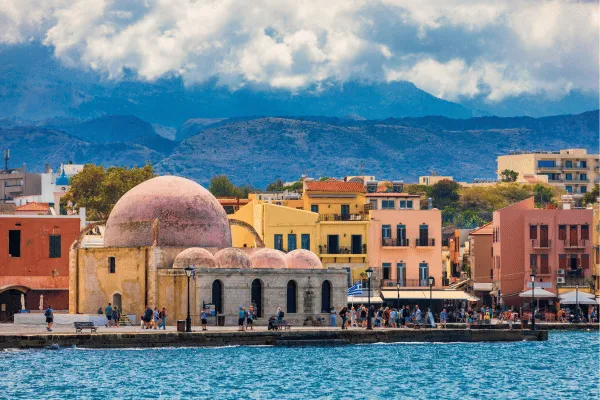
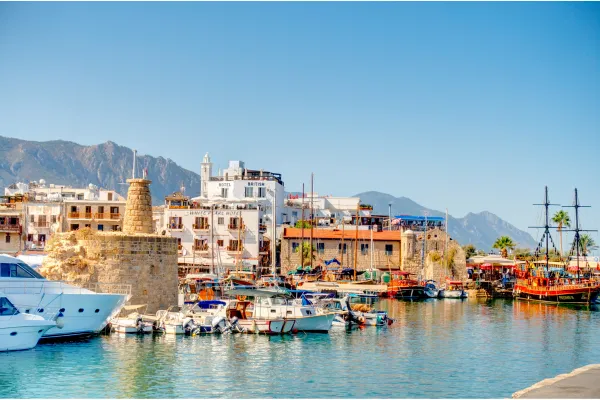
I’m 51. After nearly three decades in corporate leadership, I found myself asking a bigger question:
Where do I actually want to spend the next chapter of my life?
Right now, that answer may be Cyprus. Or Crete. I haven’t decided yet.
What I do know is this: menopause changed far more than my body. It changed how I want to live, work, travel, and move through the world.
I’m building toward a slower, more intentional life abroad while navigating hot flashes that ignore itineraries, sleep that now requires strategy, and a body that suddenly negotiates every carry-on item.
I’ve always traveled carry-on only.
Menopause renegotiated the contents.
The checklist I created isn’t influencer packing fantasy or affiliate-stuffed perfection. It’s the real list — what actually helps, what didn’t work, and what I stopped bringing entirely.
If you’re somewhere between “I wonder if I could do this” and “I’m actually doing this,” I made this for you.
The Honest Carry-On Checklist for Menopausal Women
23 items I actually pack. 7 I stopped bringing. Written by a 51-year-old who travels carry-on only and is figuring out menopause in real time.

What's In The Checklist?
The 23 items I won't fly without (with brand-agnostic notes)
The 7 things I packed for years and finally stopped bringing
What goes in the personal item vs. the carry-on (the menopause edit)
The cooling/sleep kit that lives at the top of the bag for a reason
A printable one-page version for the women who like a paper checklist (it's most of you)

Crete vs. Cyprus Round 2: Cost of Living, Real Numbers, and Where the Surprises Showed Up
A few weeks ago I started this series with Round 1: climate and healthcare, which ended in a draw between Chania and Paphos. Round 2 is about money.
This is the round where every "best places to retire abroad" list gets it wrong. They quote a single monthly cost-of-living figure pulled from an aggregator, slap a smiling expat photo next to it, and call it research. The reality is more complicated and more interesting — the cost of living between Crete and Cyprus diverges meaningfully across categories, and the differences matter more than the headlines suggest.
I've spent the last few weeks digging through real rental listings, actual grocery price posts from expat groups, and the kind of granular cost data that doesn't make it into glossy retirement guides. What follows is the honest accounting of what it actually costs to live in Chania, Greece versus Paphos, Cyprus — and where the math surprised me.
The three categories I'm comparing in Round 2: housing, daily living costs (groceries, eating out, basics), and transportation. At the end, a short note on utilities and internet, because for digital nomads, those numbers are not optional. Round 3 will tackle visa pathways, community, and what it's actually like to be a non-EU woman over 50 trying to land in either of these places.
Let's get into it.
Category 1: Housing
This is the category where the gap between the two destinations becomes most visible, and where the most expensive mistakes are made by people doing rough math from afar.
Chania, Crete
Long-term rental prices in Chania have shifted upward over the past few years, driven partly by the digital nomad influx and partly by the Greek economy's gradual recovery. The market is no longer the bargain it was in 2017, but it remains genuinely affordable compared to most of Western Europe.
A reasonable range for a one-bedroom long-term rental in or near central Chania (Old Town, Halepa, Nea Chora): roughly €500-800 per month for unfurnished, €600-1,000 for furnished. The lower end of those ranges gets you something basic — older building, perhaps no air conditioning in every room, possibly a long walk to a beach. The higher end gets you renovated, with a balcony, with the features you'd want for long-term living.
A two-bedroom in a similar area runs roughly €700-1,200 per month furnished, depending on condition and location.
Outside the central areas — out in the surrounding villages or the Akrotiri peninsula — prices drop significantly. €400-600 for a basic furnished apartment is achievable if you're willing to be 10-15 minutes outside the city by car.
The seasonal complication: Crete has a strong summer tourism economy, and many landlords prefer short-term rentals during high season (June-September). This can either work in your favor — finding a long-term rental at a discount during off-season — or against you, if you arrive in summer and landlords are holding properties for tourists.
Paphos, Cyprus
Paphos rental pricing operates in a different market, partly because Cyprus has a larger established expat population (especially British retirees) that has shaped the rental market more than Crete's has.
A one-bedroom long-term rental in Paphos generally runs €500-900 per month furnished, with the lower end in older buildings further from the coast and the higher end in newer developments or coastal properties. Coastal Kato Paphos commands a premium; inland villages are significantly cheaper.
A two-bedroom in similar areas runs roughly €700-1,300 per month, with the same coastal premium.
The Cypriot rental market is more transparent and English-speaking than Crete's. Listings on Bazaraki (the main Cypriot listings platform) are typically in English, agents are accustomed to expat clients, and the rental process is more standardized.
One advantage of Cyprus: less seasonal price fluctuation. The summer tourist economy exists but is less dominant than in Crete, and long-term rentals are more straightforward to secure year-round.
Round Verdict on Housing
Closely matched, with a slight edge to Crete if you're willing to live outside the most central areas, and a slight edge to Paphos if you want the ease of an English-speaking rental process and more standardized listings.
For someone planning to live there long-term and willing to navigate Greek rental dynamics, Crete is cheaper on the ground. For someone who values straightforward transactions and predictable processes, Paphos is worth the small premium.
Score this round: a draw, with a small note that both locations are meaningfully more affordable than equivalent options in Spain, Portugal, or France.
Category 2: Daily Living Costs
This is where the cost difference between the two destinations narrows considerably, and where the lifestyle differences start to show.
Groceries and Markets
In both Chania and Paphos, fresh produce is genuinely affordable, especially in summer. Local olive oil, fresh tomatoes, feta or halloumi, seasonal fruit — all are cheaper than equivalent quality in North America by a meaningful margin.
In Chania, the laiki (weekly farmers' market) is where serious savings happen. A week's worth of produce, eggs, olives, and bread can run €25-40 for one person if you shop the market. Add proteins (fish, chicken, occasional meat), pantry items, and household basics, and a single person's weekly grocery bill lands in the €60-90 range for moderate eating.
In Paphos, the equivalent market culture exists but is less central. Most weekly shopping happens at proper supermarkets (Lidl, Carrefour, AlphaMega), with the occasional trip to local producers. Weekly grocery bills for one person run €60-100 — slightly higher than Crete because more of the food chain is supermarket-mediated.
The big difference is in imported and specialty items, where Cyprus tends to be a bit more expensive than Crete. If you want specific North American or Northern European products (peanut butter, certain cheeses, gluten-free everything), Cyprus typically charges more than Crete for them, which makes a difference for some shoppers.
Eating Out
This is where both destinations punch dramatically above their price points compared to most of Europe.
In Chania, a full taverna meal — appetizer, main, dessert, glass of wine — typically runs €18-30 per person at a normal local restaurant. A coffee at a cafe is €2-3. A casual lunch (gyros, sandwich, salad) runs €6-10. You can eat genuinely well in Chania for €15-25 per person at most meals if you stay out of the most tourist-oriented restaurants.
In Paphos, similar meals run €20-35 per person at local restaurants. Coffee runs €2.50-3.50. A casual lunch runs €8-12. The pricing is slightly higher than Crete but the food quality is comparable, and Cyprus has a stronger Indian and Asian restaurant scene than Crete because of the British influence.
For someone eating out 2-3 times a week, the difference between Chania and Paphos is meaningful but not dramatic — roughly €40-80 per month, depending on choices.
Other Daily Costs
A few other items worth noting:
Pharmacy and personal care: Both destinations are inexpensive for basic pharmacy items. Sunscreen, basic toiletries, over-the-counter medications run noticeably less than in North America.
Coffee culture: Both destinations have a strong cafe culture. The difference is that Greek cafe culture skews toward long sits with a single coffee (you can stay for two hours and nobody minds), while Cypriot cafe culture is slightly more transactional. For someone who works from cafes, Crete is the more accommodating environment.
Wine and local spirits: Both destinations have local wine industries. Greek wine is generally cheaper at restaurants and shops than Cypriot wine, with table wine starting around €3-5 per bottle in Greek supermarkets compared to €5-8 in Cyprus.
Round Verdict on Daily Living
Slight edge to Crete on overall daily living costs. The difference isn't dramatic — you're talking about a 10-20% savings on most categories — but it adds up over a year of regular living.
For someone watching their budget closely, Crete will feel noticeably less expensive day to day. For someone who values selection and convenience (more variety of imported goods, more international restaurants, more English-speaking services), Paphos justifies its small premium.
Score this round: edge to Crete.
Category 3: Transportation
This is the category that surprised me most when I started digging into it, because the two destinations approach transportation in genuinely different ways.
Chania, Crete
Crete is a car culture. Public transportation in and around Chania is limited — KTEL buses run on regional routes and into the city, but if you want to actually live in the area and have real mobility, you need a car. This is non-negotiable for most expats settling there.
The cost realities of car ownership in Crete:
Used cars in decent condition run €4,000-10,000 for something reliable. The market is smaller than in Cyprus, so you spend more time finding the right vehicle, but prices are reasonable.
Car insurance for a 50-something woman with a clean record runs roughly €300-500 per year, which is significantly less than equivalent coverage in North America.
Gas is expensive by North American standards (around €1.70-2.00 per liter, similar across the EU) but distances in and around Chania are short, so monthly gas costs are modest.
Annual road tax and maintenance run modestly — a few hundred euros per year combined.
Total monthly cost of car ownership in Crete: roughly €100-200 per month including everything, assuming the vehicle is paid off.
The compensation: parking is generally easy, traffic is light, and you genuinely don't need to drive often if you live somewhere walkable.
Paphos, Cyprus
Cyprus also requires a car for serious mobility, but the infrastructure is more developed than Crete's. Roads are better maintained, the highway system is more extensive, and public buses run more reliably (though they're still not a substitute for a car).
The cost realities in Cyprus:
The used car market is bigger than Crete's, which means more selection but also more inflated pricing in some segments. €5,000-12,000 for a reliable used vehicle is the typical range.
Car insurance runs slightly higher than Crete, roughly €400-600 per year for similar coverage.
Gas pricing is comparable to Crete's. Cyprus is an island so all fuel is imported, and prices track regional EU norms.
Annual taxes and maintenance are modestly higher than Crete because the cost of services in Cyprus tends to run higher across the board.
Total monthly cost of car ownership in Paphos: roughly €150-250 per month all-in.
The compensation: better roads, more reliable infrastructure, and the option of using public transit for some routes in ways that aren't really feasible in Crete.
A Note on Walkability
This category has a hidden factor worth mentioning: how much of your daily life requires a car.
Central Chania is genuinely walkable. The Old Town, the harbor, the surrounding shopping areas, and several beach areas are all accessible on foot if you live in the right neighborhood. A car becomes necessary for groceries, hospital visits, day trips, and exploring beyond the city — but day-to-day living can be largely car-free.
Central Paphos is less walkable in the same way. Kato Paphos (the coastal area) is fine for short walks, but the city is more spread out and amenities are more distributed. A car gets used more often in Cyprus simply because the geography requires it.
Round Verdict on Transportation
Crete wins on cost; Paphos wins on infrastructure quality. If you want to minimize car use, Crete is the better fit. If you want the ease of better roads and more reliable infrastructure, Cyprus is worth the small premium.
Score this round: slight edge to Crete on cost, slight edge to Cyprus on quality. Call it a draw with different strengths.
A Quick Note on Utilities and Internet
For digital nomads, this category matters more than it does for traditional retirees. A few notes:
Electricity is expensive in both destinations compared to North America, because both Greece and Cyprus rely heavily on imported energy. Expect €80-150 per month for a one-bedroom, more in summer if you run air conditioning. Cyprus tends to run slightly higher.
Water is cheap in both, generally €20-40 per month.
Internet is the category I dug into hardest because it affects whether you can actually work remotely from either location. Both destinations have improved dramatically in recent years.
In Chania, fiber internet is widely available in the central areas, typically €25-40 per month for 100-300 Mbps. Reliability is generally good. The further you live from the city center, the spottier coverage gets.
In Paphos, fiber is more universally available, including in outlying areas. Pricing is similar (€25-40 per month) with slightly more consistent reliability.
Phone plans are inexpensive in both. €10-25 per month gets you generous data plans on either island. Many digital nomads supplement with services like Airalo for travel within Europe.
For someone working remotely, both destinations are now genuinely viable in ways they weren't five years ago. Paphos has a slight edge on reliability; Chania has a slight edge on price. Either works.
Where Round 2 Leaves Me
Two rounds in, here's the running score by category:
Climate: Crete (Round 1)
Healthcare: Cyprus (Round 1)
Housing: Draw
Daily Living: Crete
Transportation: Functional draw
Utilities/Internet: Functional draw
Crete is winning on lifestyle affordability. Cyprus is winning on infrastructure and ease.
The pattern is becoming clearer: Crete is the better daily cost-of-living choice; Cyprus is the better quality-of-services choice. Whether that matters more depends on what kind of life you want to build there.
For me, the cost difference is meaningful but not dominant. I can absorb the Cyprus premium if the trade-offs in other categories justify it. The next rounds will probably decide which way I lean.
Round 3 is coming: visa pathways for non-EU women over 50, what the actual residency process looks like, and the community question — is there an expat community of women my age in either location, or am I going to be navigating this alone?
That round is going to be more research-heavy than this one. Visa policies for both Greece and Cyprus have shifted in the past few years, and what was true in 2020 isn't what's true in 2026. I'm doing the research now and will share what I find.
In the meantime, if you've moved to either Crete or Cyprus and want to push back on any of my numbers (or share what your actual costs have been), I'd love to hear. The pricing data in this post is grounded in what I've found through expat sources and current listings, but real expat math is always more nuanced than aggregators capture. Your boots-on-the-ground perspective is more valuable than any spreadsheet.
The journey continues. Two more years until the decision is made.
While I'm researching the move, I'm also traveling more — and learning what to bring and what to leave behind. If you want my carry-on packing list for women over 50, you can grab it free here.


Subscribe to our Mailing List
And that's just a peek at what we offer. Get more marketing tips straight to your inbox.
Who's writing this:
I'm not a menopause expert, a travel expert, or an expat-life guru. I'm a 51-year-old woman who spent her career in corporate, lost her dad recently, is dealing with HRT that may or may not be working, and decided the next chapter is going to be lived somewhere with better light and slower mornings. I'm documenting all of it on Instagram and Pinterest as @menopausenomad. The checklist is one piece. The journey is the rest.
Testimonials
What others are saying

"Excellent service!"
Excellent service! They take care of everything from cleaning to maintenance, making managing my vacation rental completely stress-free. Highly recommend!


"Highly recommend this"
"Testimonial lorem ipsum dolor sit amet, consectetur adipisicing elit. Autem dolore, alias, numquam enim dolor elit." - Your Name
" Impressed with their professionalism"
I’ve been so impressed with their professionalism and attention to detail. The in-house cleaning and maintenance teams are outstanding, and I’ve seen a noticeable difference in guest satisfaction.
"Hassle free process"
They handle everything seamlessly! I no longer worry about the upkeep of my rental, and their prompt communication has made the entire process hassle-free.
Testimonials

John Doe
Lorem ipsum dolor sit amet, consectetur adipiscing elit, sed do eiusmod tempor incididunt ut labore et dolore magna aliqua. Ut enim ad minim veniam, quis nostrud exercitation ullamco laboris nisi ut aliquip ex ea commodo consequat.


Jane Doe
Lorem ipsum dolor sit amet, consectetur adipiscing elit, sed do eiusmod tempor incididunt ut labore et dolore magna aliqua. Ut enim ad minim veniam, quis nostrud exercitation ullamco laboris nisi ut aliquip ex ea commodo consequat.
Get In Touch With Us
Phone:
(780) 882-9763
Shop:
Site 4 Comp 3 RR 3, Rimbey AB T0C 2J0
Email:
Email: [email protected]
Site: www.menopausenomad.com